Will AI replace food & drink designers?
AI
Design
Food & drink
Branding
There's a conversation happening in every creative industry right now, and the food and drink world is no exception. Will AI replace designers? Should brands be worried? Should designers?
My honest answer: it depends entirely on what you think design is actually for.
What AI can do (and it's genuinely impressive)
I use AI. Like most designers, I'd be a fool not to. The background removal tool in Photoshop alone has saved me hours. Beyond that, AI can generate layouts, explore visual concepts, and produce infinite variations at a speed no human can match.
For certain tasks - resizing assets, generating starting points, exploring directions quickly - it's a genuinely useful tool in the process. Any designer who tells you they're not using it at all is probably not being entirely honest.
So yes, AI is part of the toolkit. But the toolkit isn't the job.
What AI can't do
Here's where food and drink is different from almost every other sector, and why I think this conversation matters so much for brands in this space.
Food and drink brands don't live on screens. They live in the real world - in hands, on shelves, in kitchens, in cafes, at markets. They're experienced through the body, not just the eyes.
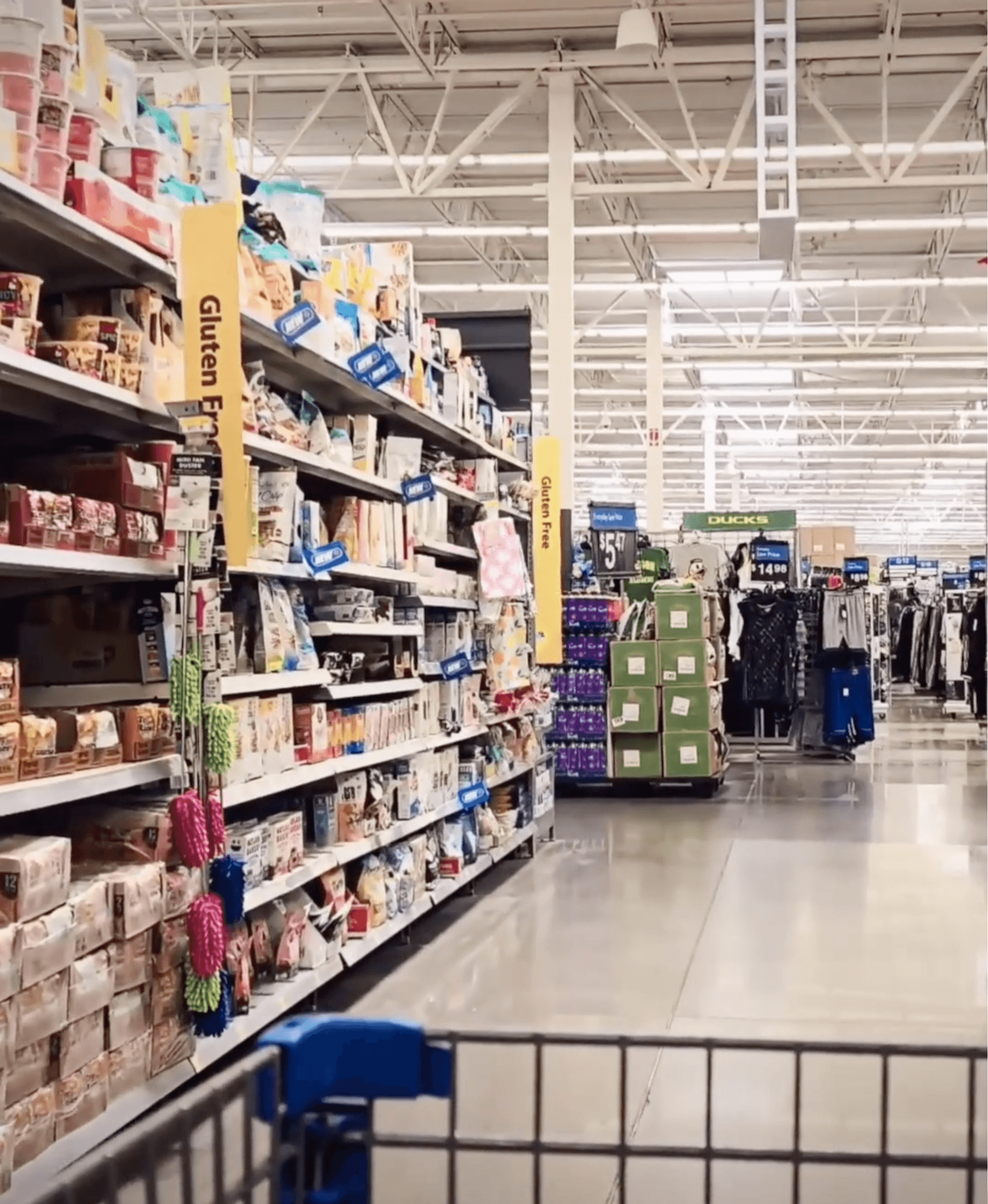
AI can't smell freshly ground coffee as you walk into a café. It can't feel the texture of a craft beer can as you pull it from the fridge. It can't experience the sensory overload of a supermarket aisle - the noise, the movement, the split-second decisions happening all around it. And it definitely can't feel how a brand lands in that moment, when someone picks something up for the first time and decides whether it feels right.
That physical, emotional, human experience is the entire foundation of good food and drink design. It's not a nice bonus. It's the point.
Why this changes how I work
Knowing what AI can and can't do has actually sharpened my focus as a designer. Rather than trying to compete on speed or volume - which I'd lose - I'm leaning harder into the things that only come from genuine human understanding of how people encounter products in the real world.
That means asking different questions earlier in a project:
How does it feel to pick this up?
What does it signal before someone even tastes it?
Does it create a moment people want to come back to?
How does it sit on the shelf next to everything else fighting for attention?
These aren't questions you can answer from a desk. They come from actually being in shops, tasting products, understanding the culture around a category, and building up years of genuine feel for what works and why.
So is food & drink design "safe" from AI?
Maybe not entirely, and I think it's worth being honest about that. The more repetitive, executional parts of design work will continue to be automated. That's already happening.
But the part that makes a food or drink brand genuinely meaningful - the emotional connection, the sensory context, the understanding of how a real person encounters a product in the real world - that's still stubbornly human.
The brands that will win aren't the ones who outsource all of that thinking to an algorithm. They're the ones who understand that design, at its best, is a form of empathy. It's about knowing your customer deeply enough to create something that speaks to them before they've even read a word.
AI is a powerful tool. I use it, and I'll keep using it.
But it doesn't walk into shops, taste products, or feel anything.
And in this industry, that still matters enormously.