The story behind my logo
Branding
Design
Behind the scenes
Every logo tells a story. At least, the best ones do. So when it came to redesigning my own, I wanted to make sure mine had one worth telling.
I'd been helping food and drink brands find clarity and build identity for long enough to know that the thinking behind a logo matters just as much as how it looks. But if I'm honest, my own brand hadn't been given that same depth of thought. It looked fine. It did the job. But there was no real story behind it - and the longer I worked with brands who had genuine meaning woven into everything they did, the more that started to feel like a gap worth closing.
So earlier this year I sat down and did it properly. I put myself through the same process I take my clients through - starting with foundations, getting clear on purpose and values, then letting the design decisions follow from that thinking rather than the other way around.
Here's what came out of it.
Starting with a word: cheers
Early on, I knew the logo didn't need to look like a food and drink brand. I'm not selling food and drink - I help people who do. So rather than designing around products, I wanted to design around the rituals and culture that surround them. The moments of connection, conversation, and shared experience that make this industry so human.
I kept coming back to the word "cheers."
I use it constantly - as a sign-off, as a thank you, as a very British way of acknowledging someone. But cheers is also a toast. And there's a piece of folklore that says clinking cups originated as a way of proving your drinks weren't poisoned, showing the person across from you that they could trust you. (Thankfully that's less of a concern these days!)
That felt like exactly the right metaphor for how I work. The clink is about trust between two people. It's about showing up for someone, being on their side, and moving forward together. Which is precisely what a creative partnership should feel like.
The cups
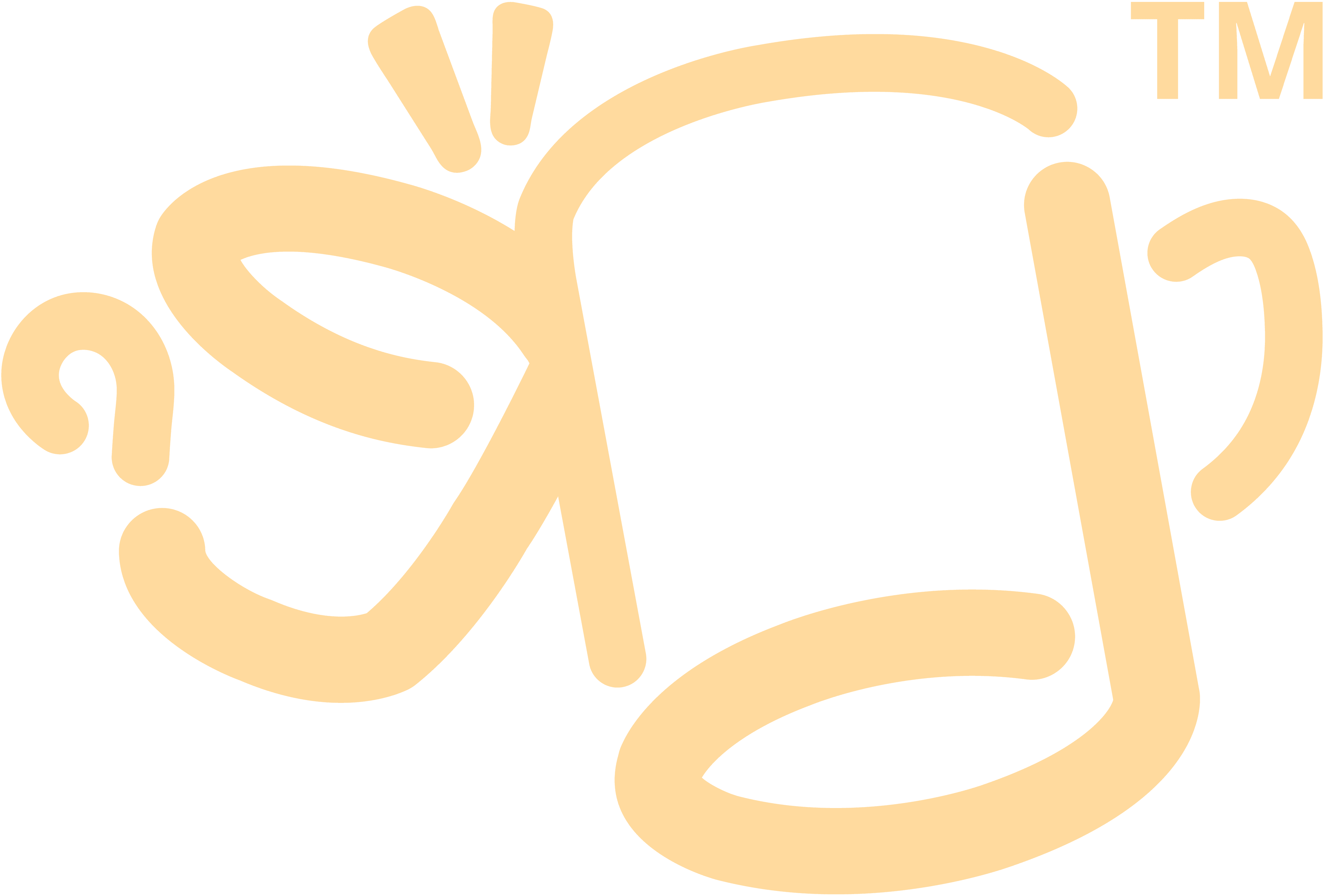
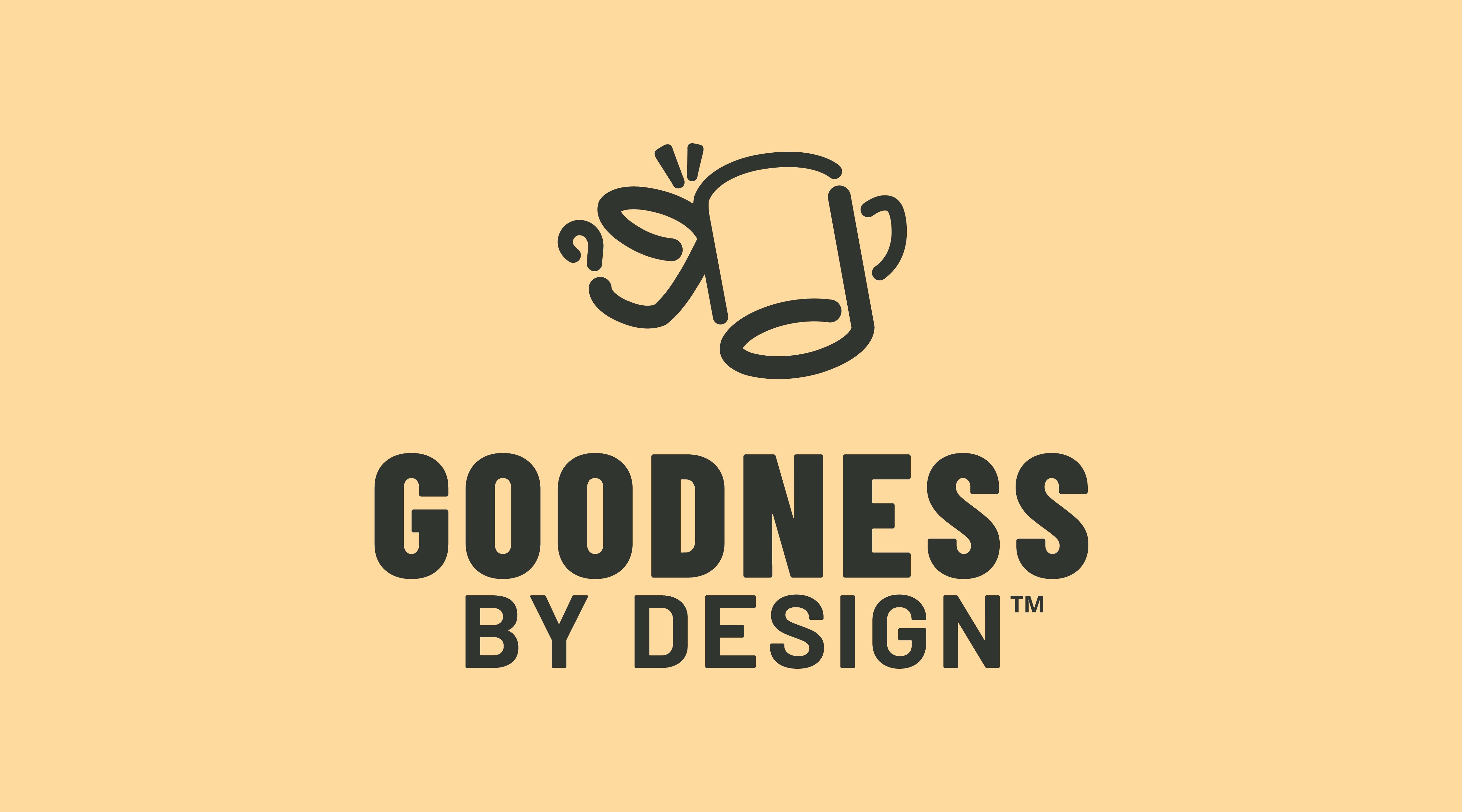
Once I had the idea of the clink, I wanted the ritual to feel everyday rather than celebratory - so champagne flutes were out immediately. Instead, there's an espresso cup on the left, based on the one I use every single morning, and a mug of tea on the right as a nod to British culture.
The style is intentionally sketchy and hand-drawn. It contrasts with the bold, confident typeface of the wordmark, and it's a quiet reference to work made by hand - which still matters enormously to me, even in a world of digital tools.
The Easter egg
This is the bit people seem to love most when they notice it.
Hidden within the form of the cups is a 'g' in the espresso cup and a 'd' in the mug. Goodness. Design. They're not meant to jump out - the mark works perfectly well without ever spotting them. But once you see them, you can't unsee them. It's a layer of meaning that rewards a second look, which feels like the right kind of detail for a studio built on considered thinking.
The type
The wordmark is set in Barlow Condensed ExtraBold - a typeface designed with inspiration from public signage and transport systems. That foundation in clarity and legibility felt right for a studio whose whole purpose is making things clearer and easier to understand. It's confident and commanding without feeling cold, with slightly rounded edges that keep a sense of warmth alongside the strength.
The colours
The palette was influenced by the everyday moments and environments of food and drink - not specific ingredients, but the feeling of them. Each colour has a name that reflects a flavour profile: Char, Zesty, Sweet, Fresh, Creamy. The idea was to evoke how things feel and taste, not just how they look.
Char and Zesty form the core pairing - depth and energy together. The others bring flexibility and expression across different contexts, creating a system that can feel bold one moment and warm the next.
Why going through the process properly made the difference
The new identity feels more confident because it has something to stand on. Every decision has a reason. The mark has a story. The type has a rationale. The colours have meaning.
That's exactly what I try to give every brand I work with. And it turns out it makes just as much difference when you do it for yourself.
If you're a food or drink brand whose visual identity was put together quickly and never really interrogated, this is what it feels like when the thinking comes first. It's not just about looking better. It's about knowing why it looks the way it does - and feeling genuinely confident putting it in front of the world.
Cheers!